
 Orthopedic Rehabilitation
 Balance & Vestibular Therapy
 Hand & Upper Extremity Therapy
 Workers’ Comp & Auto Injuries


Discover the connection between neck pain and headaches and how physical therapy may help you find relief.
Neck pain and headaches are among the most common complaints affecting adults of all ages. Whether you spend long hours working at a computer, frequently look down at your phone, or wake up with stiffness in your neck, muscle tension and joint problems can contribute to discomfort that extends beyond your neck and into your head.
While reaching for pain medication may provide temporary relief, addressing the underlying causes of your discomfort can be an important step toward lasting improvement.
At Gold Coast Physical Therapy, our experienced physical therapists help patients identify musculoskeletal factors contributing to neck pain and certain types of headaches, improve mobility, and develop strategies to reduce recurring symptoms.
Understanding the Connection Between Neck Pain and Headaches
Your neck, also known as the cervical spine, supports the weight of your head while allowing you to move in multiple directions. It contains vertebrae, joints, muscles, ligaments, and nerves that work together to support movement and stability.
When muscles become tense, joints lose mobility, or the surrounding tissues become irritated, discomfort may spread from the neck into the head.
One type of headache associated with neck dysfunction is called a cervicogenic headache. These headaches originate from structures in the neck, but the pain is often felt in the head.
Common symptoms may include:
- Headaches that begin at the base of the skull and travel toward the forehead or behind the eyes
- Neck stiffness or reduced range of motion
- Pain that worsens with certain neck movements or prolonged positions
- Headaches accompanied by shoulder or upper back discomfort
- Tenderness in the muscles around the neck and shoulders
- Pain that is more noticeable on one side of the head
Not all headaches originate in the neck. Migraines, tension type headaches, and other medical conditions can produce similar symptoms. A proper evaluation is essential to determine the most appropriate treatment.
5 Common Causes of Neck Pain and Headaches
- Poor Posture and Prolonged Sitting
Spending hours looking at a computer screen or leaning forward over a smartphone can place additional demands on the muscles supporting your head and neck.
Over time, sustained positions may contribute to muscle fatigue, stiffness, and discomfort.
- Muscle Tension and Stress
Stress can cause people to unconsciously tighten their neck, shoulder, and upper back muscles. Persistent muscle tension may contribute to neck discomfort and tension type headaches.
- Limited Neck Mobility
Stiffness in the joints and muscles of the cervical spine can make everyday movements uncomfortable. Restricted mobility may also contribute to certain headaches, particularly when symptoms are triggered by turning or tilting the head.
- Muscle Weakness and Imbalances
Weakness or reduced endurance in the muscles supporting the neck and shoulder blades can make it harder to maintain comfortable positions throughout the day.
When certain muscles must compensate for others, fatigue and discomfort may develop.
- Previous Injuries or Whiplash
Auto accidents, sports injuries, and sudden neck movements can affect the muscles, joints, and other structures of the cervical spine.
Even after the initial injury improves, some individuals experience lingering stiffness, reduced mobility, or recurring headaches.
How Can Physical Therapy Help With Neck Pain and Headaches?
Physical therapy offers a personalized, conservative approach to managing neck pain and headaches associated with musculoskeletal problems.
Rather than focusing only on where the pain occurs, your physical therapist evaluates how your neck, shoulders, upper back, and movement patterns may contribute to your symptoms.
Depending on your evaluation, your treatment plan may include several approaches.
Manual Therapy to Improve Mobility
Physical therapists may use skilled hands on techniques to address restricted joints and tight muscles in the neck and upper back.
These treatments may help improve mobility, reduce discomfort, and make everyday movements easier.
Therapeutic Exercises to Build Strength
Targeted exercises can improve the strength and endurance of muscles that support the cervical spine.
Your therapist may focus on:
- Deep neck stabilizing muscles
- Shoulder blade strength and control
- Upper back mobility
- Neck flexibility and range of motion
- Improving coordination between the neck and shoulders
The goal is to help your body better tolerate everyday activities without repeatedly aggravating symptoms.
Posture and Ergonomic Education
You may not realize how often your daily habits contribute to neck discomfort.
Your physical therapist can help you identify potentially aggravating positions and recommend practical adjustments to your workstation, phone use, sleeping positions, and daily activities.
Small changes, combined with appropriate exercise and movement breaks, can make a meaningful difference.
Laser Therapy and Shockwave Therapy
At Gold Coast Physical Therapy, advanced treatment technologies such as Class IV Laser Therapy and Acoustic Shockwave Therapy may be incorporated into a personalized treatment plan to help address certain musculoskeletal conditions contributing to neck discomfort.
Class IV Laser Therapy uses targeted light energy to support cellular processes involved in tissue healing and may help reduce pain and inflammation in affected muscles and soft tissues.
Acoustic Shockwave Therapy, also known as Miracle Wave®, delivers acoustic waves to targeted tissues to stimulate biological responses associated with tissue repair and pain relief. It may be beneficial for certain chronic muscle and soft tissue conditions.
These noninvasive treatments may complement therapeutic exercises, manual therapy, and other rehabilitation techniques. Your physical therapist will determine whether either treatment is appropriate based on your specific condition and symptoms.
A Personalized Home Exercise Program
One of the most valuable parts of physical therapy is learning how to manage your symptoms beyond your appointments.
Your therapist may develop a home exercise program designed to maintain mobility, improve strength, and help reduce the likelihood of recurring discomfort.
Can Physical Therapy Help With Different Types of Headaches?
Physical therapy can be beneficial for certain headache conditions, particularly when neck pain, muscle tension, or restricted cervical movement contributes to symptoms.
Cervicogenic Headaches: Physical therapy is often recommended to address neck mobility, muscle function, and movement limitations associated with these headaches.
Tension Type Headaches: Exercise, education, and selected manual therapy techniques may help some individuals whose headaches are associated with neck and shoulder muscle discomfort.
Migraines: Physical therapy does not cure migraines, but it may help address accompanying neck pain and musculoskeletal problems as part of a broader treatment plan coordinated with a healthcare provider.
Because headache symptoms can have many causes, it is important not to assume that every headache is related to the neck.
Simple Ways to Help Reduce Neck Tension Throughout the Day
In addition to physical therapy, healthy movement habits may help prevent unnecessary strain on your neck.
- Take frequent movement breaks. Change positions regularly, especially if you spend much of your day sitting.
- Adjust your computer screen. Position your monitor at a comfortable height to avoid constantly looking down.
- Keep your phone closer to eye level. Reduce the amount of time spent with your head bent forward.
- Stay physically active. Regular exercise can support muscle strength, mobility, and overall health.
- Pay attention to your sleeping position. Choose a pillow that comfortably supports your head and neck without forcing them into an awkward position.
- Manage stress and muscle tension. Relaxation techniques, gentle movement, and regular physical activity may help reduce tension.
If a particular exercise or activity increases your headache or neck pain, stop and consult a healthcare professional.
When Should You Seek Help for Neck Pain and Headaches?
Occasional neck stiffness or a mild headache may resolve on its own. However, symptoms that repeatedly return, interfere with sleep, or limit your daily activities deserve attention.
Consider scheduling an evaluation if you experience:
- Frequent headaches accompanied by neck stiffness
- Difficulty turning your head while driving
- Neck pain that interferes with work or sleep
- Persistent shoulder and upper back tension
- Headaches triggered by certain neck positions
- Recurring discomfort despite rest or changes in activity
Important: A sudden, extremely severe headache, a headache following significant trauma, or a headache accompanied by fever, new weakness, confusion, vision changes, or difficulty speaking requires prompt medical evaluation. These symptoms should not be managed with physical therapy alone.
Find Relief and Get Back to Moving Comfortably
You should not have to plan your day around neck stiffness or recurring headaches.
At Gold Coast Physical Therapy, we understand how frustrating persistent discomfort can be. Our physical therapists take the time to evaluate your symptoms, identify contributing movement and musculoskeletal problems, and create an individualized treatment plan designed around your goals.
Whether your neck pain is associated with long hours at a desk, a previous injury, or ongoing muscle tension, physical therapy may help you move more comfortably, improve your function, and return to the activities you enjoy.
Ready to take the next step toward neck pain relief?
Contact Gold Coast Physical Therapy to schedule an evaluation and discover how a personalized physical therapy program may help with your neck pain and headaches.
Gold Coast Physical Therapy
For All That Moves You.
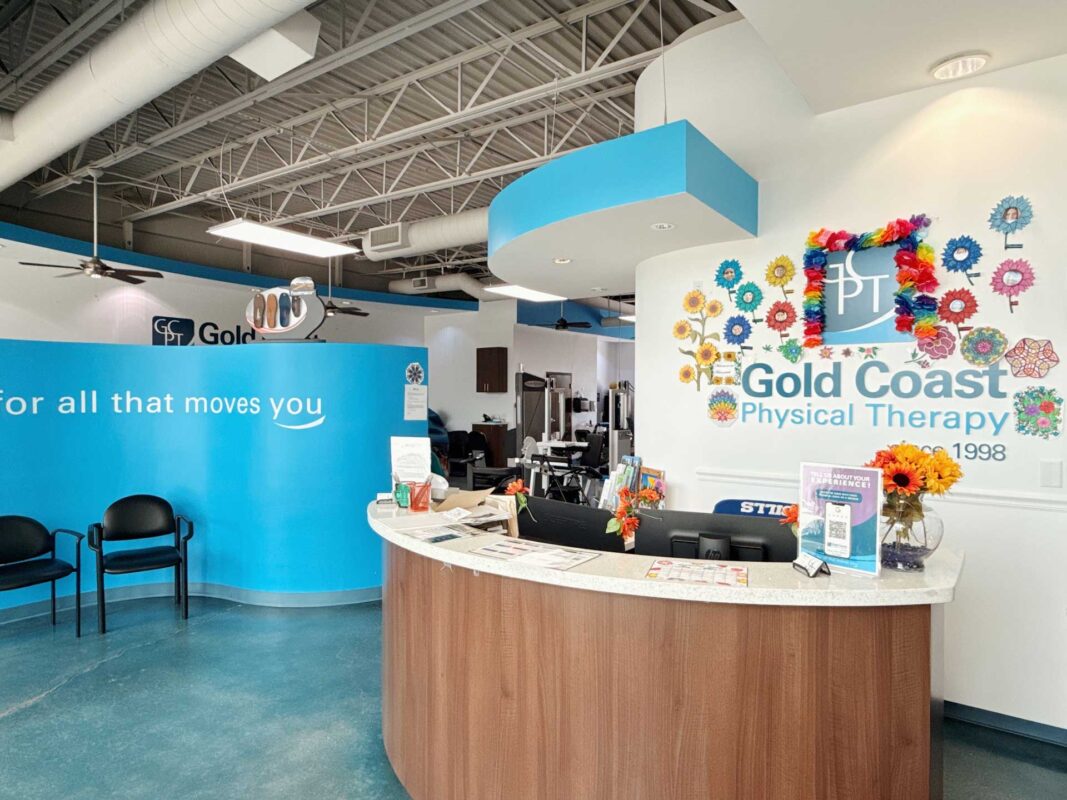
Contact Gold Coast Physical Therapy today for your Physical Therapy treatment plan.
The information provided in this article is intended for educational and informational purposes only and should not be considered medical advice, diagnosis, or treatment. Every individual and condition is unique, and treatment recommendations may vary. Always consult with a qualified healthcare provider or licensed physical therapist regarding any questions or concerns about your symptoms before beginning a new exercise or treatment program. If you experience severe pain, sudden weakness, loss of bladder or bowel control, or other emergency symptoms, seek immediate medical attention.