
 Orthopedic Rehabilitation
 Balance & Vestibular Therapy
 Hand & Upper Extremity Therapy
 Workers’ Comp & Auto Injuries

Why Movement Matters for Your Mental and Physical Health
Your mental and physical health are more connected than you might think. Discover how staying active and incorporating physical therapy into your wellness routine can help you feel better, move better, and enjoy a healthier life.
In today’s fast-paced world, finding a healthy balance between mental and physical well-being can be challenging. Long hours sitting at a desk, increased screen time, busy schedules, and limited physical activity can take a toll on both our bodies and minds.
A sedentary lifestyle can contribute to back pain, neck stiffness, muscle weakness, poor posture, and reduced mobility. Over time, these physical challenges may also affect our mood, energy levels, sleep quality, and overall quality of life.
The good news? Movement is one of the most effective ways to support both physical and mental wellness. And physical therapy can play an important role in helping people become more active, overcome physical limitations, and maintain a healthier lifestyle.
Understanding the Connection Between Physical and Mental Health
Our bodies and minds work together in ways we don’t always recognize. When we experience physical discomfort, chronic pain, or limited mobility, it can influence our emotional well-being. Likewise, stress and anxiety can contribute to muscle tension, headaches, fatigue, and other physical symptoms.
Regular physical activity supports this connection by encouraging the release of endorphins and other chemicals associated with improved mood and reduced stress.
Staying active can also help:
- Reduce stress and anxiety: Physical movement can help relieve tension and promote relaxation.
- Improve sleep quality: Regular activity supports healthier sleep patterns and more restorative rest.
- Boost energy levels: Movement improves circulation, endurance, and overall physical function.
- Build confidence: Improved strength, mobility, and independence can help people feel more capable in everyday life.
- Support cognitive health: Physical activity can benefit memory, concentration, and overall brain health.
- Even small increases in daily movement can make a meaningful difference over time.
How a Sedentary Lifestyle Affects Your Body and Mind
Whether you’re working at a computer, watching television, or spending hours on your phone, prolonged sitting has become part of everyday life.
Unfortunately, our bodies are designed to move.
Extended periods of inactivity can contribute to weakened muscles, joint stiffness, reduced flexibility, and poor posture. These issues may eventually lead to discomfort or make everyday activities more difficult.
Physical inactivity can also affect emotional well-being. When pain or mobility challenges prevent people from participating in activities they enjoy, feelings of frustration, isolation, or stress may develop.
Breaking the cycle of inactivity doesn’t require an intense workout routine. Simple activities such as walking, stretching, gardening, swimming, or participating in a personalized exercise program can help restore movement and improve overall wellness.
Physical Therapy Is About More Than Injury Recovery
Many people associate physical therapy with recovering from surgery, sports injuries, or accidents. While rehabilitation is an important part of physical therapy, its benefits extend well beyond recovery.
At Gold Coast Physical Therapy, our goal is to help patients move more comfortably, improve physical function, and remain active throughout every stage of life.
A personalized physical therapy program can address limitations that make movement uncomfortable or difficult, helping patients gradually build the strength and confidence needed to participate in everyday activities.
1. Relieving Pain and Improving Mobility
Chronic back pain, neck discomfort, joint stiffness, and muscle tension can discourage physical activity.
Physical therapy uses targeted exercises, hands-on techniques, and individualized treatment strategies to help reduce discomfort, improve flexibility, and restore movement.
When moving becomes easier and more comfortable, patients may feel more motivated to stay active.
2. Building Strength and Endurance
Muscle weakness and reduced endurance can make everyday tasks feel exhausting.
Physical therapists develop individualized strengthening and conditioning programs based on each patient’s abilities, limitations, and goals.
Improving strength and endurance can make activities such as walking, climbing stairs, carrying groceries, and enjoying recreational hobbies easier and more manageable.
3. Improving Balance and Confidence
Fear of falling can prevent older adults and individuals with balance difficulties from participating in activities they once enjoyed.
Balance and gait training can help improve stability, coordination, and confidence while moving.
At Gold Coast Physical Therapy, specialized balance and vestibular rehabilitation programs help patients address dizziness, unsteadiness, and mobility challenges that may interfere with daily life.
Greater confidence in movement can encourage independence and participation in social and recreational activities.
4. Reducing Physical Tension Associated With Stress
Stress often manifests physically through tight shoulders, neck stiffness, headaches, and muscle tension.
Physical therapy may help address these physical symptoms through therapeutic exercise, stretching, posture education, and movement techniques.
While physical therapy is not a replacement for mental health treatment, improving physical comfort and function can contribute to a greater sense of overall well-being.
5. Encouraging Long-Term Healthy Habits
One of the most valuable aspects of physical therapy is education.
Physical therapists help patients understand how their bodies move, identify habits that may contribute to discomfort, and develop practical strategies for staying active.
Whether it’s improving workstation ergonomics, incorporating movement breaks, or establishing a home exercise routine, these small adjustments can support lasting improvements in physical health.
Five Simple Ways to Add More Movement to Your Day
You don’t need a gym membership or a complicated fitness routine to begin improving your physical and mental well-being.
Start with these five practical habits:
- Take frequent movement breaks. Stand, stretch, or walk around periodically throughout your workday to reduce prolonged sitting.
- Make walking part of your routine. A short walk outdoors can help improve circulation, support cardiovascular health, and provide a mental break.
- Practice gentle stretching. Regular stretching can help maintain flexibility and reduce feelings of muscle tightness.
- Choose activities you enjoy. Gardening, swimming, dancing, cycling, and recreational sports can all contribute to a more active lifestyle.
- Listen to your body. Persistent pain, dizziness, or mobility limitations shouldn’t be ignored. A physical therapist can help determine safe and appropriate ways to remain active.
Consistency matters more than intensity. Small, sustainable changes can lead to meaningful improvements over time.
When Should You Consider Physical Therapy?
You don’t have to wait until an injury or surgery to benefit from physical therapy.
Consider scheduling an evaluation if you experience:
- Persistent back, neck, or joint pain
- Frequent muscle stiffness or reduced flexibility
- Difficulty walking or climbing stairs
- Balance problems, dizziness, or fear of falling
- Weakness or reduced endurance during daily activities
- Physical limitations that prevent you from exercising or enjoying your favorite hobbies
A physical therapist can evaluate your movement, identify potential areas of concern, and recommend an individualized treatment plan to help you work toward your goals.
A Healthier Mind Starts With a Body That Moves
Maintaining mental and physical well-being isn’t about achieving perfection. It’s about creating healthy habits that support your body, encourage movement, and improve your quality of life.
When pain, weakness, or mobility challenges make staying active difficult, physical therapy can help bridge the gap between where you are today and where you want to be.
At Gold Coast Physical Therapy, we believe movement is an essential part of living well. Our experienced physical therapy teams throughout Palm Beach County are dedicated to helping patients improve mobility, restore function, and return to the activities that matter most.
Ready to Move Better and Feel Better?
Whether you’re managing chronic discomfort, experiencing balance difficulties, or simply looking to become more active, Gold Coast Physical Therapy is here to help.
Contact Gold Coast Physical Therapy today to schedule an evaluation and take the next step toward better movement, greater confidence, and a healthier lifestyle.
Frequently Asked Questions
Can physical therapy help improve mental well-being?
Physical therapy primarily addresses physical health, but improvements in pain, mobility, strength, and independence may also positively influence emotional well-being. Regular movement can help reduce stress and support better sleep and mood.
Do I need to be injured to benefit from physical therapy?
No. Physical therapy can also help individuals experiencing stiffness, weakness, balance difficulties, reduced mobility, or other physical limitations that interfere with an active lifestyle.
How much physical activity should I get each day?
For most adults, general guidelines recommend at least 150 minutes of moderate-intensity aerobic activity each week, along with muscle-strengthening activities on two or more days. Your ideal activity level depends on your health, abilities, and individual needs. A physical therapist can help you develop a safe starting point.
Can physical therapy help if I’ve been inactive for a long time?
Yes. Physical therapists can assess your current abilities and develop a gradual exercise program designed to improve strength, flexibility, endurance, and confidence without overwhelming your body.
Medical Disclaimer: This article is intended for general educational purposes only and should not be considered medical advice, diagnosis, or treatment. Individual results may vary. Always consult a qualified healthcare professional regarding your specific health concerns before beginning a new exercise or treatment program. Physical therapy does not replace professional mental health care when it is needed.
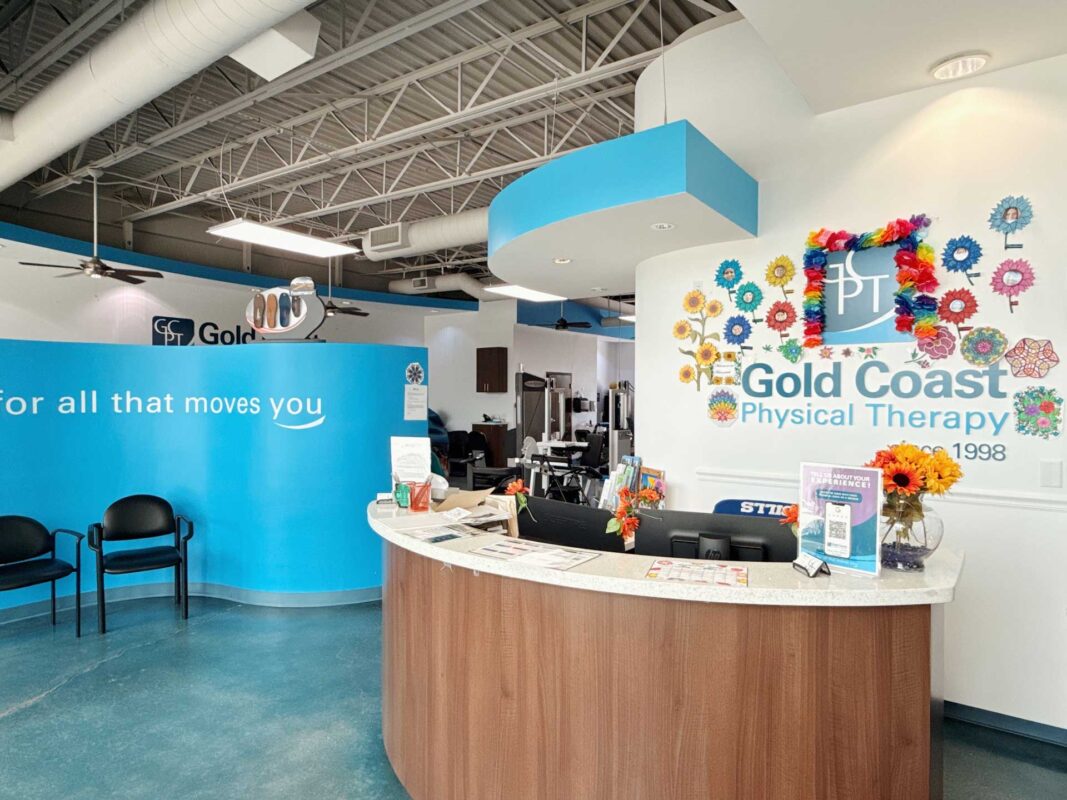
Contact Gold Coast Physical Therapy today for your Physical Therapy treatment plan.
The information provided in this article is intended for educational and informational purposes only and should not be considered medical advice, diagnosis, or treatment. Every individual and condition is unique, and treatment recommendations may vary. Always consult with a qualified healthcare provider or licensed physical therapist regarding any questions or concerns about your symptoms before beginning a new exercise or treatment program. If you experience severe pain, sudden weakness, loss of bladder or bowel control, or other emergency symptoms, seek immediate medical attention.